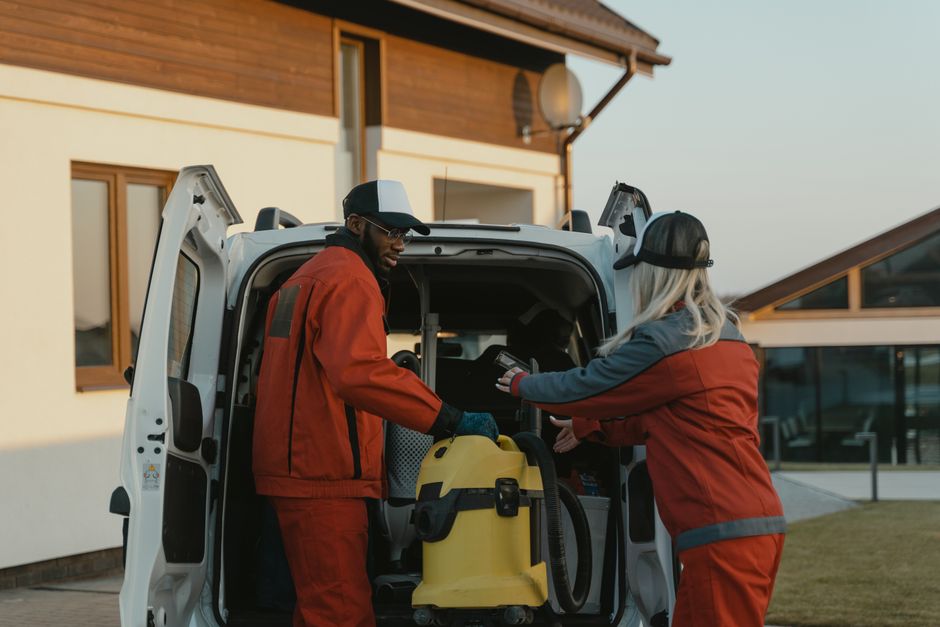
Licence Requirements for Commercial Cleaners in Merton
If you are setting up, hiring, or reviewing a commercial cleaning service in Merton, the licensing question usually comes up sooner than you expect. Do commercial cleaners need a licence? Which jobs need permission? What about waste, chemicals, parking, or working in offices after hours? The short answer is that Licence Requirements for Commercial Cleaners in Merton depend on the exact type of cleaning work being carried out, the equipment used, and whether the service touches other regulated activities. That sounds a bit knotty, and to be fair, it often is.
This guide breaks it down in plain English. You will learn what typically needs a licence or permit, what usually does not, how local compliance works in practice, and how to avoid the common errors that trip up cleaning businesses and clients alike. If you want the wider company picture as well, it can help to look at a reputable cleaning company that already treats insurance, safety, and policy documents seriously.
There is no need to panic if you are new to this. Most commercial cleaning work is not "licence-heavy" in the dramatic sense people imagine. But some activities do bring local rules, permissions, or formal obligations into play, and overlooking them can create avoidable headaches. Let's sort that out properly.
Why Licence Requirements for Commercial Cleaners in Merton Matters
Licensing is not just a box-ticking exercise. It is a signal that a business understands where its legal duties begin and end. For commercial cleaners in Merton, that matters because cleaning work can overlap with waste handling, public access, vehicle use, pressure equipment, chemicals, and work in sensitive premises such as offices, retail units, managed buildings, and communal areas.
When a business gets the basics right, clients notice. They may not say, "Ah yes, excellent permit compliance," over a cup of tea in the reception area, but they will notice the quiet confidence that comes from a tidy operation. The crew arrives on time, the site is respected, the paperwork is in order, and nobody is improvising around safety rules.
For clients, the issue matters because a cleaner's legal standing can affect insurance claims, contract performance, and overall trust. If a business is missing a required licence or permission, that can complicate everything from access arrangements to waste removal. In some cases, it can even make a contract look less professional than it should.
For cleaners, it matters because a misunderstanding about licensing can cost time and money. Some operators assume "cleaning" is one single activity. It is not. A basic office clean, a deep clean after refurbishment, and a job involving licensed waste or specialist access are very different beasts. Different rules, different risk profile.
Practical takeaway: the real question is not "Do cleaners need a licence?" but "Which parts of this cleaning service trigger licensing, permits, approvals, or formal compliance duties?" That distinction saves a lot of confusion.
How Licence Requirements for Commercial Cleaners in Merton Works
The easiest way to think about it is in layers. Some commercial cleaning work is straightforward and may not require a specific trade licence. Other parts of the business can trigger separate obligations. These obligations may come from local authority rules, environmental controls, waste rules, landlord/site requirements, or general business duties.
Here is how it usually breaks down in practice:
- Core cleaning service: day-to-day cleaning of offices, shops, common areas, or commercial premises often does not need a special cleaning licence in itself.
- Waste removal and disposal: if the job involves transporting or disposing of waste, the business may need to consider registration, carrier requirements, or site-specific disposal rules.
- Specialist cleaning methods: pressure washing, facade work, high-reach access, or chemicals can introduce additional safety and operational controls.
- Premises access: some buildings require contractor approval, RAMS, induction, or permit-to-work systems before cleaners are allowed in.
- Vehicles and parking: jobs in busy parts of Merton may involve parking permissions, loading restrictions, or timed access rules.
In day-to-day commercial cleaning, the biggest issue is often not a formal "licence" in the popular sense. It is a combination of permission, documentation, insurance, and safe working practice. That is why many clients ask for more than a quote. They want evidence that the provider can operate responsibly without creating risk on site.
If the service includes more specialist tasks, such as after-builders work, then the compliance picture can become more layered. A provider offering after-builders cleaning will usually need stronger site controls because dust, debris, tools, and access constraints all increase the risk profile.
Another useful point: Merton is a busy London borough, so commercial sites often have practical constraints that feel mundane but matter a lot. Basement access, shared entrances, narrow service roads, cleaning outside operating hours, and odd loading bays. None of that is glamorous, obviously, but it shapes compliance in the real world.
Key Benefits and Practical Advantages
Getting the licensing and compliance side right brings direct benefits. Some are obvious, some are hidden until something goes wrong. Best to know both.
- Better client trust: businesses feel safer hiring a cleaner who can show they are organised and legitimate.
- Lower contract risk: good documentation reduces disputes over access, damage, missed work, or safety.
- Smoother insurance handling: if an incident occurs, insurers are far happier when the operator has the right paperwork and controls.
- Fewer service delays: permits, inductions, and site approvals are easier to manage when they are planned early.
- Stronger reputation: compliance is one of those quiet signals people remember. Not flashy, but real.
There is also a commercial advantage for the cleaner. A business that understands permissions and legal duties can quote more confidently, schedule jobs more efficiently, and avoid awkward surprises after the client has already committed. That is a big deal in competitive local markets.
For example, a commercial cleaning team that also handles delicate surfaces or specialist materials may need to coordinate carefully with a client's maintenance team. Someone doing hard floor cleaning in a shared building will usually need to know what finishes are present, what products are safe, and what access windows are available. The compliance benefits are practical, not theoretical.
And here is the human bit: when a job starts smoothly, the whole site feels calmer. The reception desk is not fielding questions. Security is not chasing missing IDs. The cleaner is not scrambling for a forgotten form. Everyone breathes a little easier. Simple, really.
Who This Is For and When It Makes Sense
This topic is relevant if you are any of the following:
- a sole trader starting commercial cleaning work in Merton;
- a small cleaning company taking on offices, shops, and managed buildings;
- a facilities manager checking whether a contractor is properly set up;
- a landlord, letting agent, or building manager reviewing supplier compliance;
- a business owner comparing local cleaners before signing a contract;
- someone expanding from domestic work into commercial contracts.
It makes sense to focus on licence requirements before you take on your first larger contract, not after. That may sound obvious, but plenty of people do the reverse. They win the work, then discover the building wants insurance evidence, a site induction, waste controls, and a written cleaning method. Suddenly the "easy" job is not so easy.
Commercial cleaning is also relevant where the work is recurring and visible. Offices, communal hallways, retail sites, and managed premises usually have more formal expectations than one-off domestic cleans. If your service also includes specialist work such as office cleaning or regular cleaner support, the client may expect you to operate almost like an extension of their own site team.
Truth be told, the earlier you think about compliance, the less awkward it becomes. Much less awkward.
Step-by-Step Guidance
Here is a practical way to work through the requirements without getting lost in jargon.
- Define the exact service. Are you doing basic routine cleaning, deep cleaning, post-build cleaning, waste-related work, or something else? The answer changes the compliance picture.
- List the places you will work. Offices, retail units, communal areas, health-related environments, or private homes? Commercial premises often have stricter entry and safety expectations.
- Check whether waste is part of the job. If you remove rubbish, bulky debris, contaminated materials, or commercial waste, you may need extra controls.
- Review vehicle and access needs. Think parking, loading, timed access, building security, and whether you need keys, fobs, or permits.
- Prepare core documents. Insurance, risk assessments, method statements, complaints handling, payment terms, and safety policies should be ready before the contract starts.
- Confirm site-specific requirements. Some clients want contractor onboarding, induction, DBS-style checks for certain settings, or evidence of training.
- Re-check before starting specialist tasks. If the work expands into facade, external access, or post-construction cleaning, make sure the compliance controls still fit.
If you are working in settings where the job often changes day by day, deep cleaning can be a good example of why scope matters. A deep clean in an office kitchen is not the same as a standard desk-and-floor service. Different products, different touchpoints, different risk.
One practical habit helps a lot: write down the scope in plain language. Not legalese. Just plain language. If a client later asks, "Did we agree waste removal?" you want that answer to be easy to find, not hidden in a sea of vague wording.
Expert Tips for Better Results
Most compliance problems are avoidable. The trick is to think like the person who will have to explain the job later, not just the person selling it today.
- Build the paperwork before the work. A clean quote and a clean site process go together.
- Keep insurance and policy documents current. Clients often ask for them at short notice, sometimes on the same morning. It happens.
- Match the method to the premises. A busy office, a stairwell, and a serviced apartment block all need slightly different planning.
- Train staff on what they can and cannot do. If a cleaner is not authorised to move certain items, use certain chemicals, or access certain areas, make that clear.
- Document incidents immediately. Spills, slips, broken fittings, and access issues should be logged while details are fresh.
Another tip: keep a habit of reviewing the building's own rules. Some sites are stricter than the law itself, and that is fine. A client may require sign-in procedures, marked PPE, or no-entry zones during meetings. That is not a legal drama, just ordinary site management. Still important.
And don't be shy about asking simple questions. Can the team park nearby? Is there a lift restriction? Are cleaning products stored on site or brought in? Those little questions save time later, which is always a relief on a wet Monday morning.
Common Mistakes to Avoid
These are the mistakes that cause the most trouble for commercial cleaners and their clients.
- Assuming "cleaning" never needs any licence or permission. Some parts of the job do.
- Using the same checklist for every contract. Offices, retail units, and post-build sites are not interchangeable.
- Ignoring waste responsibilities. Waste handling is where many well-meaning jobs become messy, both literally and administratively.
- Forgetting site access rules. Security desks and building managers are rarely impressed by "we thought it would be fine."
- Quoting too broadly. If the scope is vague, disputes follow. Usually at the worst moment.
- Not checking insurance exclusions. Coverage may be narrower than the business owner expects.
Commercial cleaning sometimes overlaps with specialist services like window cleaning or facade cleaning, and that is where people get caught out. External surfaces, height, equipment, and site conditions can all introduce extra controls. The job may still be perfectly manageable, but it should be planned properly.
A very common slip? Treating a client's informal "yes, that's fine" as if it replaces written approval. It doesn't. A friendly nod is lovely, but paperwork wins when there is a disagreement. Rather boring, I know, but true.
Tools, Resources and Recommendations
You do not need a giant compliance department to run a tidy cleaning operation. A sensible toolkit goes a long way. Here is what usually helps most.
- Job scope sheet: one page that records what is included, what is excluded, and who is responsible for access.
- Risk assessment template: tailored to the type of premises and the type of cleaning work.
- Method statement: plain explanation of how the job will be done safely and in what order.
- Insurance summary: a quick-reference file for client checks.
- Staff induction notes: enough to make sure every cleaner understands site rules and escalation points.
- Complaint process: a clear route for dealing with issues before they become contract problems.
On the website side, it helps when a business keeps its policies visible and easy to understand. Pages such as the health and safety policy, insurance and safety information, and terms and conditions support trust because they show the company has thought through the boring-but-essential parts.
If you are comparing providers, practical details matter just as much as price. A decent pricing and quotes page should make the commercial terms easier to read, not more confusing. And if you care about how a business handles customer data, payment handling, and service communication, those details matter too. They often say more than the homepage does.
Finally, a quiet recommendation: keep your documents in a folder that is easy to grab on the day. Not "somewhere in the cloud maybe." Easy to grab. That small difference can save a stressful delay at reception.
Law, Compliance, Standards, or Best Practice
This is the bit readers usually want handled carefully, and rightly so. Cleaning businesses in Merton must follow the laws and duties that apply to them, but the precise mix depends on the activity. Rather than pretending there is one universal licence for all commercial cleaners, it is better to think in terms of compliance categories.
Common areas to consider include:
- Business registration and tax duties: basic business setup obligations still apply, even if the service itself is simple.
- Insurance: public liability and employer's liability are frequently expected in commercial settings, and often contractually required.
- Health and safety: cleaning chemicals, manual handling, slips, trips, falls, and equipment use should be controlled responsibly.
- Waste management: if the operation handles waste, compliance may extend beyond ordinary cleaning.
- Building rules: landlords, managing agents, and occupiers may impose their own site standards.
Best practice is often more demanding than the bare minimum legal position. That is not a bad thing. A commercial client usually wants a cleaner who behaves as if the job matters, because it does. Shared spaces, occupied offices, and customer-facing premises are not the place to take shortcuts.
In some cases, a client may also require evidence of environmental practices or safeguarding-related policies. For example, a business that supports recycling and sustainability may be more credible with offices that are trying to reduce waste, while a clear modern slavery statement can support wider procurement checks. These are not always "licence" issues in the narrow sense, but they sit in the same trust-and-compliance family.
Expert summary: if your commercial cleaning work in Merton is basic and routine, the main focus is usually insurance, health and safety, and building access rules. If the work includes waste, height, specialist equipment, or site-sensitive environments, check the extra requirements before you start. That is the safest and most professional route.
Options, Methods, or Comparison Table
Different cleaning setups create different compliance needs. Here is a simple comparison to help you decide where your own business or contract sits.
| Cleaning scenario | Typical compliance focus | What to check first | Common risk if ignored |
|---|---|---|---|
| Routine office cleaning | Insurance, site access, basic H&S | Keys, alarms, working hours, induction | Access issues and service disruption |
| Deep cleaning of commercial premises | Chemicals, methods, scheduling, safety | Scope, protective equipment, surface types | Damage, delays, or unsafe practices |
| After-builders cleaning | Dust control, debris handling, site rules | Waste, access, contractor coordination | Unsafe site entry and poor handover |
| External or high-level work | Equipment, fall risk, method statements | Access system, risk assessment, suitability | Serious safety and liability problems |
| Waste-heavy cleaning jobs | Disposal responsibilities, transport, records | What is being removed and where it goes | Regulatory or contractual breach |
If you are mainly doing routine work, the compliance burden is usually manageable. If the job moves into specialist territory, it is wise to slow down and check the details. Speed is good. Blind speed, not so much.
Case Study or Real-World Example
Imagine a small commercial cleaner in Merton wins a contract for three managed office units. At first, the work sounds simple: bins emptied, kitchens wiped, floors vacuumed, washrooms kept tidy. Then the client adds a few extras. One building needs evening access only. Another wants cleaning waste separated from general waste. A third requires a formal contractor induction before the first visit.
Nothing dramatic. Just a handful of ordinary requirements. But if the cleaner had priced the job assuming "standard clean, no special steps," the margin could disappear fast.
Now add a bit more complexity. One site has a polished hard floor in reception that needs careful treatment, and another has upholstered seating that needs periodic refreshes. A good provider may bring in hard floor cleaning expertise and even a specialist approach to upholstery cleaning where appropriate. That is not just about quality. It also affects safe methods, materials, and whether the business is properly set up for the work.
The cleaner in this example does one thing right: they pause and ask for the site rules before the first visit. They update their method statement, confirm insurance documents, and set a clear escalation point for staff. The result is dull in the best possible way. The job just works.
And honestly, "dull in the best possible way" is exactly what most clients want from compliance.
Practical Checklist
Use this checklist before you take on or approve a commercial cleaning job in Merton.
- Have I defined the exact cleaning service?
- Do I know whether the work involves waste removal, specialist access, or extra site controls?
- Have I checked the building's own contractor rules?
- Are insurance, safety documents, and terms ready to share?
- Does the quote clearly list what is included and excluded?
- Have staff been briefed on access, hazards, and reporting lines?
- Do I understand parking, loading, and arrival restrictions?
- Have I confirmed the cleaning method is suitable for the surfaces on site?
- Is there a simple process for complaints or incidents?
- Would I be comfortable explaining the setup to a client, landlord, or facilities manager in one minute flat?
If the answer to any of those is "not yet," that is fine. Better to catch it now than halfway through the first job, when the mop is out and the site manager is standing there with raised eyebrows.
Get a free quote today and see how much you can save.
Conclusion
Licence Requirements for Commercial Cleaners in Merton are best understood as a mix of formal requirements, site permissions, safety controls, and business housekeeping. In many cases, there is no single special licence for ordinary cleaning. But once waste, specialist access, high-level work, or sensitive premises enter the picture, the compliance side becomes much more important.
The good news? It is all manageable when you approach it in order. Define the work. Check the site. Confirm the documents. Keep the scope clear. That basic discipline makes a commercial cleaning business look more professional and feel less stressful for everyone involved.
Whether you are a cleaner building a local reputation or a client choosing the right contractor, the safest path is usually the simplest one: ask the right questions early, and keep everything tidy on paper as well as on site. That way, the actual cleaning can do what it should do best - make the place feel fresh, calm, and properly looked after.
And that, really, is the whole point.
Frequently Asked Questions
Do commercial cleaners in Merton need a special licence?
Not always. Ordinary commercial cleaning usually does not require a dedicated trade licence, but some related activities may trigger permits, approvals, or extra compliance duties. The exact answer depends on the service scope.
What parts of commercial cleaning are most likely to need extra permissions?
Waste removal, specialist access, high-level work, and certain site-sensitive environments are the most common areas where extra controls come up. Building managers may also require contractor approval before work begins.
Does office cleaning need a licence?
Routine office cleaning typically does not need a special cleaning licence, but the business still needs appropriate insurance, safe working practices, and whatever building access rules the client sets.
What should I check before hiring a commercial cleaner in Merton?
Check the scope of work, insurance, terms, health and safety paperwork, and whether the provider understands the site's own rules. If waste or specialist work is involved, ask about that too.
Are after-builders cleans more complicated from a compliance point of view?
Yes, usually a bit more. Dust, debris, access issues, and coordination with other trades can all make the job more complex. A clear method statement and site-specific planning are very helpful.
What documents should a professional cleaning company be ready to show?
At minimum, many clients expect insurance details, health and safety information, terms and conditions, and a clear quote. Depending on the site, they may also want risk assessments or method statements.
Can a cleaner just remove rubbish as part of the job?
Only if the waste handling arrangements are properly understood and allowed for. Waste removal can bring extra obligations, so it should never be treated as an afterthought.
How do I know if a cleaning job needs a risk assessment?
If the work involves chemicals, awkward access, external areas, heavy items, public spaces, or any unusual hazards, a risk assessment is a sensible step. In practice, many commercial jobs benefit from one.
Why do clients care so much about insurance?
Because insurance is part of the safety net. If something goes wrong, the client wants to know the contractor is properly covered and has thought about liability in advance.
Is there a difference between domestic and commercial cleaning requirements?
Yes. Commercial cleaning usually involves more formal site rules, tighter scheduling, more documentation, and greater attention to access and health and safety. The work can be similar in appearance, but the operational expectations are often higher.
What is the simplest way to stay compliant as a small cleaning business?
Keep your scope clear, use written agreements, maintain current insurance, follow site rules, and make sure your staff know what is expected. That simple structure covers a surprising amount.
Where should I start if I am still unsure about the right setup?
Start with the exact service you plan to offer, then map the likely risks and requirements. If the job is more complex than basic routine cleaning, treat it as a managed contract rather than a casual arrangement. That tends to keep everyone safer and happier.