Fines and Penalties for Illegal Upholstery Disposal in Merton
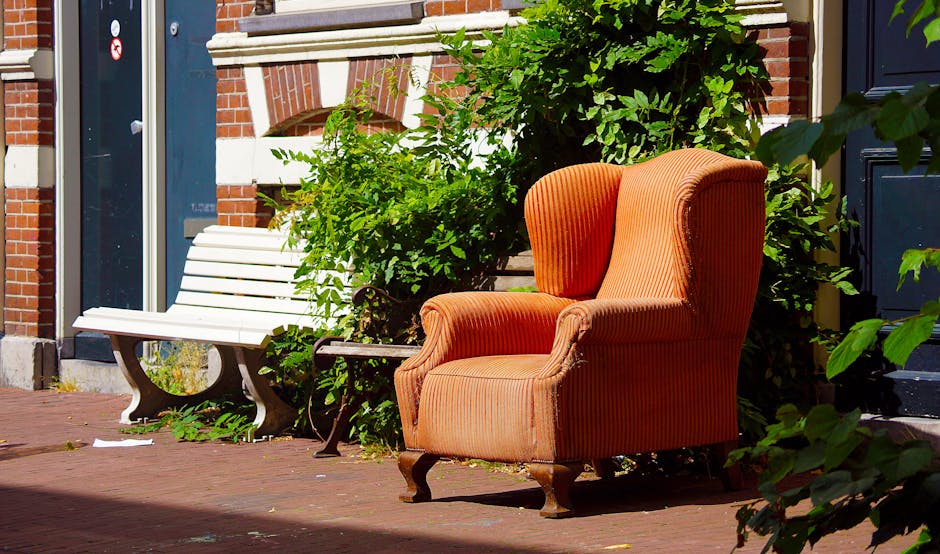
If you are trying to work out the real risk behind Fines and Penalties for Illegal Upholstery Disposal in Merton, you are probably facing one of two situations: a sofa, armchair, or mattress-like piece of upholstered furniture that needs moving fast, or a worry that a recent disposal choice may not have been lawful. Either way, it pays to get this right. Illegal dumping is one of those things that can turn a quick clear-out into a costly headache, especially when evidence, fly-tipping reports, and removal costs get involved. And let's face it, nobody wants a bulky sofa left on the street with their name attached to it by mistake.
This guide explains what illegal upholstery disposal means, how fines are usually enforced, what factors influence penalties, and how to stay on the safe side in Merton. You will also find practical steps, a comparison table, a checklist, and a realistic example to help you make a better decision the first time round.
Why Fines and Penalties for Illegal Upholstery Disposal in Merton Matters
Upholstered furniture is awkward to dispose of, which is exactly why people sometimes take shortcuts. A tired sofa, a broken recliner, or a set of dining chairs with fabric seats can seem harmless enough when left beside a bin store or taken to the wrong place. But once an item is dumped without proper permission or handling, it can become a fly-tipping issue rather than a simple waste problem.
In Merton, as across London, illegal disposal matters because it affects streets, alleyways, estates, shared entrances, and green spaces. A single bulky item can block access, attract more dumping, and create a sudden clean-up cost for someone else. That might be the local authority, a landlord, a managing agent, or even the resident whose details were found nearby. Truth be told, upholstered waste is often underestimated because it looks like a household item rather than a disposal risk.
There is also the environmental side. Upholstery often contains mixed materials: fabric, foam, timber, metal springs, adhesives, and sometimes treatments that make recycling harder. Dumping it irresponsibly pushes more waste into the wrong stream and can undermine broader efforts like responsible recycling and sustainability practices. For many households and businesses, the better question is not just "How do I get rid of this?" but "How do I do it without creating a fine risk in the first place?"
That shift in thinking makes a real difference. It usually saves time, reduces stress, and keeps your property, business, or tenancy record cleaner. It also means fewer awkward conversations later. Nobody enjoys explaining why a sofa appeared next to a hedge at 7 a.m. on a wet Tuesday.
How Fines and Penalties for Illegal Upholstery Disposal in Merton Works
Penalty processes can vary depending on who found the waste, where it was left, and what evidence links it to a person or property. In simple terms, if upholstered waste is dumped illegally, the case may be treated as fly-tipping or improper waste disposal. That can lead to a fixed penalty, an investigation, or, in more serious situations, prosecution. The exact outcome depends on the circumstances rather than a one-size-fits-all rule.
Common triggers include leaving a sofa on the pavement without arranging a lawful collection, dumping a chair behind garages, using the wrong waste carrier, or handing furniture to someone who claims they will "sort it out" but clearly will not. Small details matter. If the item was identifiable, if documents were found nearby, or if a vehicle registration was noted, the chain of evidence can be surprisingly strong.
For most people, the key point is this: intent is not the only factor. Carelessness can still become expensive. You may not have meant to dump anything illegally, but if you gave items to an unlicensed operator or left them in a place where they were not permitted, enforcement action can still follow. That is one reason why using a proper, transparent service matters. A well-run cleaning company or clearance provider should be able to explain the handling process clearly, especially for bulky household waste.
Penalties are also shaped by local enforcement priorities. Councils and enforcement teams tend to focus on evidence, repeat problems, location sensitivity, and the size of the waste. A lone armchair placed in a back lane is treated differently from a repeated pattern of abandoned furniture outside multiple addresses. The practical lesson? Don't assume "it's just one item" makes it harmless. In enforcement terms, one item can still be enough.
What usually increases the risk of a penalty?
- Leaving upholstered items outside without booking a legal collection
- Handing items to an unlicensed collector
- Dumping furniture in communal areas, alleyways, or green verges
- Not keeping proof of responsible disposal
- Using business waste routes incorrectly for household items
Key Benefits and Practical Advantages
At first glance, avoiding a fine sounds like the only benefit. But proper disposal gives you more than that. It reduces uncertainty, protects your reputation, and makes the whole clear-out process less chaotic. When furniture removal is handled properly, there is less chance of a last-minute scramble or a messy dispute with a neighbour, landlord, or building manager.
There is also a financial angle that people often miss. A lawful disposal plan may cost money upfront, but that cost is usually easier to manage than an enforcement notice, removal invoice, or follow-up dispute. The maths is fairly straightforward, even if the paperwork isn't always thrilling.
For landlords, letting agents, and tenants, the benefits go beyond the item itself. A lawful approach can support smooth end-of-tenancy moves, better handover records, and fewer complaints. If you are already arranging end of tenancy cleaning, or dealing with a wider property reset through deep cleaning, keeping waste disposal clean and documented fits naturally into the process.
For businesses, the advantage is even more obvious. Office furniture and upholstered seating can accumulate faster than people expect, especially during refurbishments or downsizing. An orderly clearance plan helps keep common areas tidy and avoids the sort of scene that makes staff roll their eyes in the morning.
| Approach | Main benefit | Main risk |
|---|---|---|
| Legal collection or licensed disposal | Lower enforcement risk and clearer records | May require booking time and paying a fee |
| Leaving furniture outside informally | Quick in the moment | High risk of fly-tipping penalties or complaints |
| Using an unknown collector | Can seem convenient | No proof of lawful handling, possible liability later |
Who This Is For and When It Makes Sense
This guidance is useful for homeowners, tenants, landlords, property managers, office managers, and anyone clearing bulky furniture in or around Merton. It is especially relevant if you are dealing with a sofa after a move, replacing seating after wear and tear, or clearing upholstery from a house that has been empty for a while.
It also matters if you run a business with reception seating, waiting-room furniture, or upholstered office chairs that have reached the end of their life. The disposal rules do not become more forgiving because the item came from a workplace. If anything, business waste needs a bit more care because the paper trail matters more.
When is it worth paying close attention? In these situations:
- You are trying to get rid of bulky furniture quickly
- You are moving out and want to avoid tenancy disputes
- You have been offered a "cheap collection" with no paperwork
- You are clearing a property after builders, decorators, or a renovation
- You manage shared housing, rentals, or offices where waste can be traced back
If you are already arranging other cleaning tasks, a coordinated approach helps. For example, after a refurbishment, it can make sense to pair furniture disposal with after builders cleaning so the property is left properly reset rather than half-finished.
Step-by-Step Guidance
If you want to avoid fines, the safest approach is fairly simple. It is not glamorous, but it works.
- Identify the item correctly. Is it a sofa, armchair, stool, dining chair, or something with mixed upholstery materials? Knowing what it is helps you choose the right disposal route.
- Check whether it can be reused. If the furniture is still in decent condition, donation or reuse may be possible. That said, don't force the issue if the frame is broken or the padding is badly worn.
- Choose a lawful disposal method. A council collection, household recycling route, or properly managed clearance service is usually the safer choice than leaving the item outside and hoping for the best.
- Get written confirmation where possible. Booking details, invoices, and collection notes can help if anyone later questions what happened to the furniture.
- Keep the item secured until collection. Do not place it in a public area too early. Shared hallways and pavements are common flashpoints.
- Ask about handling and recycling. Upholstery is bulky and mixed-material. A sensible provider should be able to explain what happens next in plain English.
- Store records. A receipt or email trail is often enough to show that you acted responsibly if a dispute arises.
If you are unsure how the waste will be dealt with, ask before anyone loads the van. A decent provider will not mind being asked, and honestly, if they do mind, that tells you quite a lot.
Expert Tips for Better Results
After dealing with enough bulky item jobs, one pattern stands out: the safest outcome usually comes from being slightly more organised than you think you need to be. A little preparation saves a lot of hassle.
- Photograph the item before it leaves. It may sound fussy, but a quick picture can help if the item is later disputed.
- Confirm the collection point. Where exactly will the sofa be taken from? Inside, outside, or from a loading bay? Vague handovers create avoidable problems.
- Be careful with "free collection" offers. Free is only free if the disposal is lawful and properly documented.
- Keep access routes clear. In flats and terraces, a sofa left in the wrong corridor can trigger complaints before it even moves.
- Plan for weather. Wet fabric is heavier and messier, and a damp sofa left in the open for half a day is not helping anyone.
A small but useful habit is to treat bulky disposal like any other service booking. If you would not hand over your keys without a receipt, don't hand over furniture without knowing what happens next. Simple really.
For properties that need broader resetting, you may also want to combine disposal with regular domestic support such as domestic cleaning or a lighter one-off cleaning visit. That way the place does not just look clear; it feels properly finished.
Common Mistakes to Avoid
Most penalties linked to upholstered waste come from avoidable errors. The annoying part is that they are often made by perfectly sensible people in a hurry. Here are the big ones.
- Assuming a pavement is an acceptable storage spot. It is not, unless collection rules say otherwise.
- Using the wrong person to remove waste. If someone cannot explain their disposal route, walk away.
- Mixing furniture disposal with other clutter and leaving it unmanaged. A pile of items can quickly look like deliberate dumping.
- Failing to check tenancy or building rules. Shared properties often have their own procedures.
- Ignoring evidence. A name, address label, invoice, or vehicle plate can turn a small mistake into a formal issue.
Another common mistake is thinking that upholstery is less serious than other bulky waste because it is soft. In reality, the material mix and size make it a prime candidate for enforcement if it turns up in the wrong place. The mess is part of the problem, yes, but the record it creates can be just as awkward.
Tools, Resources and Recommendations
You do not need fancy equipment to deal with upholstery properly. What you do need is a bit of structure and the right questions. A tape measure, a camera on your phone, and a notepad are often enough to make the process smoother.
Here are practical resources and service considerations worth thinking about:
- Measure the item first. This helps when booking removal or checking whether it will fit through hallways and door frames.
- Check access routes. Stairs, lifts, narrow side gates, and basement steps all affect removal logistics.
- Use clear booking notes. If the sofa is upstairs or in a back room, say so upfront.
- Review company policies. Pages such as terms and conditions, insurance and safety information, and health and safety guidance can help you judge whether a provider is organised and trustworthy.
- Ask about wider clearance needs. If your job is bigger than one sofa, a house clearance service may be more sensible than piecemeal disposal.
If upholstery disposal is only one part of a larger property project, it can also sit alongside other specialist work such as sofa cleaning, rug cleaning, or window cleaning if you are preparing a room for tenants, guests, or sale. Not every item needs replacing; sometimes a clean is enough. Nice when that happens.
Law, Compliance, Standards, or Best Practice
For this topic, the most useful way to think about compliance is through duty of care and responsible handling. In the UK, waste must be dealt with properly, and that includes ensuring it goes to an appropriate, lawful route rather than a roadside, alleyway, or unauthorised collection point. Exact enforcement details can vary, so it is wise to treat local guidance seriously rather than assume a casual arrangement will be fine.
Best practice usually includes three things:
- Use a legitimate disposal route. That may be a council collection, a licensed waste carrier, or another lawful service.
- Keep a record. Written confirmation is often the simplest way to protect yourself.
- Stay alert to suspicious offers. If someone suggests they can remove bulky furniture cheaply but cannot explain where it goes, that is a red flag.
For landlords, managing agents, and business owners, compliance is also about traceability. If waste is linked back to a property or commercial address, responsibility can become complicated very quickly. That is why it helps to work with providers who are clear about their process and who present themselves professionally. You are not just buying removal; you are buying certainty.
If you also need cleaning support around the same time, services like office cleaning, house cleaning, or carpet cleaning can be part of a broader reset after furniture has been moved out. That combination often makes a property easier to hand over cleanly and without fuss.
Options, Methods, or Comparison Table
When people ask about avoiding penalties, what they often really want to know is which disposal route makes the most sense. Here is a straightforward comparison.
| Option | Best for | Pros | Watch out for |
|---|---|---|---|
| Council or authorised bulky waste collection | Households with a single item or small number of items | Clear route, usually easier to verify | Needs booking and may have timing limits |
| Licensed clearance service | Multiple items, moves, refurbishments, or landlord clear-outs | Convenient, more scalable, often includes documentation | Quality varies, so ask the right questions |
| Reuse or donation route | Furniture in good condition | Often the most sustainable option | Not suitable for damaged or unhygienic items |
| Unverified informal collection | Honestly, nobody sensible | Looks quick | Highest risk of fines, fly-tipping, or missing items |
For bulky upholstered furniture, the middle option is often the most practical. A good clearance service can handle access issues, remove heavy items without damaging walls, and give you a tidy paper trail. If the job is part of a bigger property reset, that convenience is worth a lot more than it sounds on paper.
Case Study or Real-World Example
A straightforward example may help. Imagine a tenant in Merton is moving out on a Friday afternoon and has a tired two-seater sofa that will not fit through the new flat's doorway. The temptation is to leave it near the bin area and hope someone takes care of it. A neighbour says, "It'll be fine, loads of people do that." That is exactly how avoidable problems start.
Instead, the tenant books a lawful collection, keeps the confirmation email, and places the sofa in the agreed location only when asked. The item is removed without complaint, no one has to guess where it went, and the tenant keeps proof in case the landlord asks for it later. Simple, calm, done.
Now compare that with the alternative. If the same sofa had been left outside early and later found dumped at the edge of a nearby street, the property details or nearby evidence could draw unwanted attention. Even if the person's intention was just convenience, the outcome could still involve a penalty, removal costs, or an awkward tenancy dispute. That is the difference between a tidy process and a messy one. Small decision, big result.
Practical Checklist
Use this before any upholstered item leaves your property.
- Have I identified the item and its size?
- Can it be reused, cleaned, or donated instead of dumped?
- Do I know who is collecting it and where it will go?
- Have I got written confirmation or a booking record?
- Am I placing it only in the agreed location?
- Have I checked building, tenancy, or site rules?
- Do I have a backup plan if access is awkward?
- Is the collector able to explain disposal clearly?
- Will I keep proof after the item is removed?
- Have I avoided anyone offering a vague, cash-only, no-paperwork deal?
If you can tick most of these boxes, you are already ahead of the game.
Get a free quote today and see how much you can save.
Conclusion
Illegal upholstery disposal is easy to underestimate, but the consequences in Merton can be very real. Whether the issue is a single sofa, several worn chairs, or an entire room of bulky items, the safest route is the one that leaves you with clear evidence, no doubt about where the waste went, and no surprise fine waiting around the corner.
The good news is that avoiding penalties is usually not complicated. A little planning, a sensible disposal choice, and a record of what happened are often enough. That is the practical truth of it. Not glamorous, perhaps, but dependable. And when you are already juggling a move, refurbishment, or clean-up, dependable is exactly what you want.
Choose the lawful route, keep the paperwork, and let the awkward sofa be the sofa's problem, not yours.
Frequently Asked Questions
What counts as illegal upholstery disposal in Merton?
It usually means leaving upholstered furniture in a place or in a way that is not permitted, such as dumping it on a pavement, in an alley, or handing it to an unverified collector who cannot show lawful handling.
Can I be fined for leaving a sofa outside my home?
Yes, if it is left there without an authorised collection or in a way that amounts to fly-tipping. The key issue is whether the placement and removal were lawful and properly arranged.
How much are fines and penalties for illegal upholstery disposal in Merton?
The exact amount can vary depending on the situation and enforcement route. The important point is that penalties can escalate, especially if the waste is linked back to you or the disposal appears deliberate.
Does one chair really count as a serious problem?
It can, yes. A single item may still attract enforcement action if it is dumped improperly or blocks a public area. Size is not the only factor.
What proof should I keep after disposal?
Keep booking confirmations, invoices, emails, photos if relevant, and any collection notes. If there is a dispute later, that paper trail matters a lot.
Is it safer to use a clearance company than to leave items out for collection?
Usually, yes, provided the company is clear about how the waste is handled. A reputable clearance service should explain the process and leave you with evidence of collection.
What if my upholstered furniture is still in good condition?
Reuse or donation may be an option if the item is clean and structurally sound. If it is damaged, heavily stained, or broken, lawful disposal is the better choice.
Can I put upholstery in a normal household bin?
Usually not, because upholstered furniture is bulky and often contains mixed materials. It normally needs a specific collection or disposal route.
What are the biggest mistakes people make?
The most common mistakes are using an unknown collector, leaving furniture outside too early, failing to keep records, and assuming a small item cannot cause trouble.
Do businesses face the same risks as households?
Yes, and sometimes more. Commercial waste needs even better traceability, especially for offices, landlords, and managed properties.
Should I combine furniture disposal with cleaning?
If you are moving out, refurbishing, or clearing a property, it often makes sense. Pairing disposal with services such as sofa cleaning or home cleaners can leave the space in far better shape.
What should I do if I think someone dumped furniture linked to my property?
Document what you found, take photos, and keep a clear record of the location and timing. If needed, speak to the relevant property manager or local authority using the proper channels. Do not just move it somewhere else, because that can make matters worse.
How do I choose the safest disposal option?
Choose the route that gives you proof, clarity, and lawful handling. If a provider is vague, rushed, or unwilling to answer basic questions, that is usually your cue to look elsewhere.